
What are Continuous Flow Hot Water Systems
What’s all the fuss about?
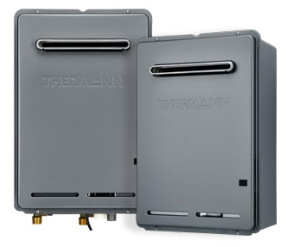
Continuous flow hot water, also known as instant water heaters, heat water only when you need it. Unlike traditional tank systems, they don’t store water. Instead, they heat water directly as it flows through the unit.
These systems are compact and highly efficient. When you turn on a hot water tap, cold water travels through a pipe into the unit. Here, either a gas burner or an electric element heats the water instantly.
Continuous flow hot water systems are versatile and can be installed in various locations within a home or building. They adapt to different energy sources like natural gas, propane, or electricity. This flexibility makes them suitable for both residential and commercial properties, providing an efficient solution for hot water needs.
Benefits of Continuous Flow Hot Water Systems
Hot water is a necessity in every home. It’s essential for showers, washing dishes, and laundry.
But how we get that hot water can vary. Traditional hot water systems use a storage tank, but there’s another option: continuous flow hot water systems.
Continuous flow hot water systems offer several benefits over traditional tank systems. They’re more energy-efficient, space-saving, and provide an unlimited supply of hot water.
So, if you’re considering upgrading your hot water system, keep reading. This could be the information you need to make an informed decision.
How Continuous Flow Systems Work
Continuous flow hot water systems operate without a storage tank. They heat water only when a hot water tap is turned on. As water enters the unit, it travels through a heat exchanger.
The heat exchanger is the core of the system. It rapidly warms the water using either an electric element or a gas burner. This instant heating process delivers hot water almost immediately.
These systems heat water only when needed. This helps avoid energy losses from keeping a tank of hot water. This approach maximizes efficiency and ensures that hot water is available whenever needed.

Key Benefits of Continuous Flow Hot Water Systems
Energy Efficiency and Cost Savings
Continuous flow hot water systems excel in energy efficiency. Traditional tanks keep a full reservoir hot, wasting energy. In contrast, these on-demand systems heat water only when needed, reducing energy use.
This efficiency translates into cost savings. Homeowners can save significantly on utility bills. With less energy used, families see a reduction in overall expenses.
Furthermore, the reduced energy consumption minimizes environmental impact. By heating water as it is required, continuous flow systems can cut energy consumption by up to 50%. These systems are a wise financial and ecological choice.
Space-Saving Design
One standout feature of continuous flow systems is their compact size. Unlike bulky tank units, these systems fit snugly in small spaces. This makes them ideal for apartments and homes with limited space.
Their sleek design allows for installation in various settings. They don’t intrude on your living space. This space efficiency is perfect for maximizing your home’s layout.
Unlimited Hot Water Supply
A major perk is the constant supply of hot water. Families with high hot water demands appreciate this benefit. There’s no waiting for a tank to refill or reheat.
This feature is invaluable for busy households. Multiple tasks can be completed simultaneously, like showering while the dishwasher runs. As long as there’s water flow and power, the supply is continuous.
Longevity and Durability
Continuous flow systems often boast longer lifespans. Many last over 20 years, compared to the 10-15 years of traditional systems. This longevity means fewer replacements and repairs over time.
Their durable design is a bonus. These systems are built to withstand the rigors of daily use. Quality construction reduces wear and tear, ensuring long-term reliability.
Environmental Impact
These systems are environmentally friendly. They reduce energy consumption, which means a lower carbon footprint. For eco-conscious individuals, this is a compelling benefit.
The on-demand heating process maximizes efficiency. There’s no wasted energy keeping unused water hot. By using less energy, these systems contribute to a healthier planet.
Safety and Temperature Control
Safety features set these systems apart. With no tank, there’s no risk of tank leaks or ruptures. Additionally, built-in safety features prevent overheating, ensuring user protection.
Temperature control is another advantage. Users can precisely set the desired water temperature. This ensures comfort and safety, preventing accidental scalding.
Considerations When Choosing a Continuous Flow System
Sizing and Capacity
Choosing the right size for a continuous flow system is crucial. The system must match your household’s hot water needs. Undersized units may lead to inconsistent hot water supply.
It’s important to consider the flow rate. This determines how many fixtures can operate simultaneously. Evaluating peak usage times helps ensure adequate capacity.
Consult a professional for proper sizing guidance. They can assess your specific requirements. This ensures optimal performance and satisfaction with your system.
Initial Investment vs. Long-Term Savings
The upfront cost for continuous flow systems can be higher. This investment, however, is balanced by future savings. Their energy efficiency reduces ongoing utility expenses.
Over time, cost savings accumulate. These systems are often more cost-effective than traditional models. Consider the financial benefits of reduced energy use.
Additionally, they offer lower operational costs. With fewer parts to maintain, expenses for repairs decrease. This translates into long-term economic advantages.
Installation and Maintenance
Professional installation of continuous flow systems is recommended. Proper setup ensures safety and optimal function. Incorrect installation can lead to inefficiencies or hazards.
Maintenance for these systems is minimal compared to tank models. Regular check-ups, however, help keep them in top condition. In hard water areas, periodic descaling is advisable.
These systems require less frequent repairs. Their robust design minimizes wear and tear. With regular upkeep, they provide reliable, long-lasting service.
Common Misconceptions Debunked
Some believe continuous flow systems are too complex to use. However, they function with user-friendly controls. Homeowners often find them intuitive and straightforward.
Another misconception is high operational noise. In reality, these systems operate quietly. Many users appreciate the minimal noise disturbance in their homes.
Conclusion: Is a Instant Hot Water System Right for You?
Continuous flow hot water systems offer many benefits. They are efficient, compact, and environmentally friendly. They can transform how you experience hot water at home.
Consider your specific needs and budget. These systems provide a modern solution for those seeking efficiency and long-term savings. Evaluate your options carefully.


